Sigma DP2: The Worst Camera You’ll Be Obsessed with
I recently got my hands on one of 2009’s most alluring compact digital cameras, the Sigma DP2. I bought it used in excellent condition from MPB for about $330 excluding shipping. I picked it for the following reasons:
a. It’s a small camera, and anything smaller than my Canon EOS Rebel t3i, which I borrowed from my mom a couple years ago and never returned, would do the job.
b. It comes with an APS-C size sensor, the same format as the Canon. That means equally great images for half the body size.
c. Its Foveon sensor, which promised to create color-rich images with a film-like quality straight out of the camera.
d. Its robust and simple design.
e. It was unlike the other cameras I was looking at; this one was… odd.
Let me elaborate on the last reason:
This camera provides a pretty bad shooting experience. The autofocus is slow and based on contrast, anything ISO 400 or above shows noticeable noise, the preview screen on the back of the camera is awful, and the battery lasts only two to three hours. Despite all that, I absolutely love this camera.
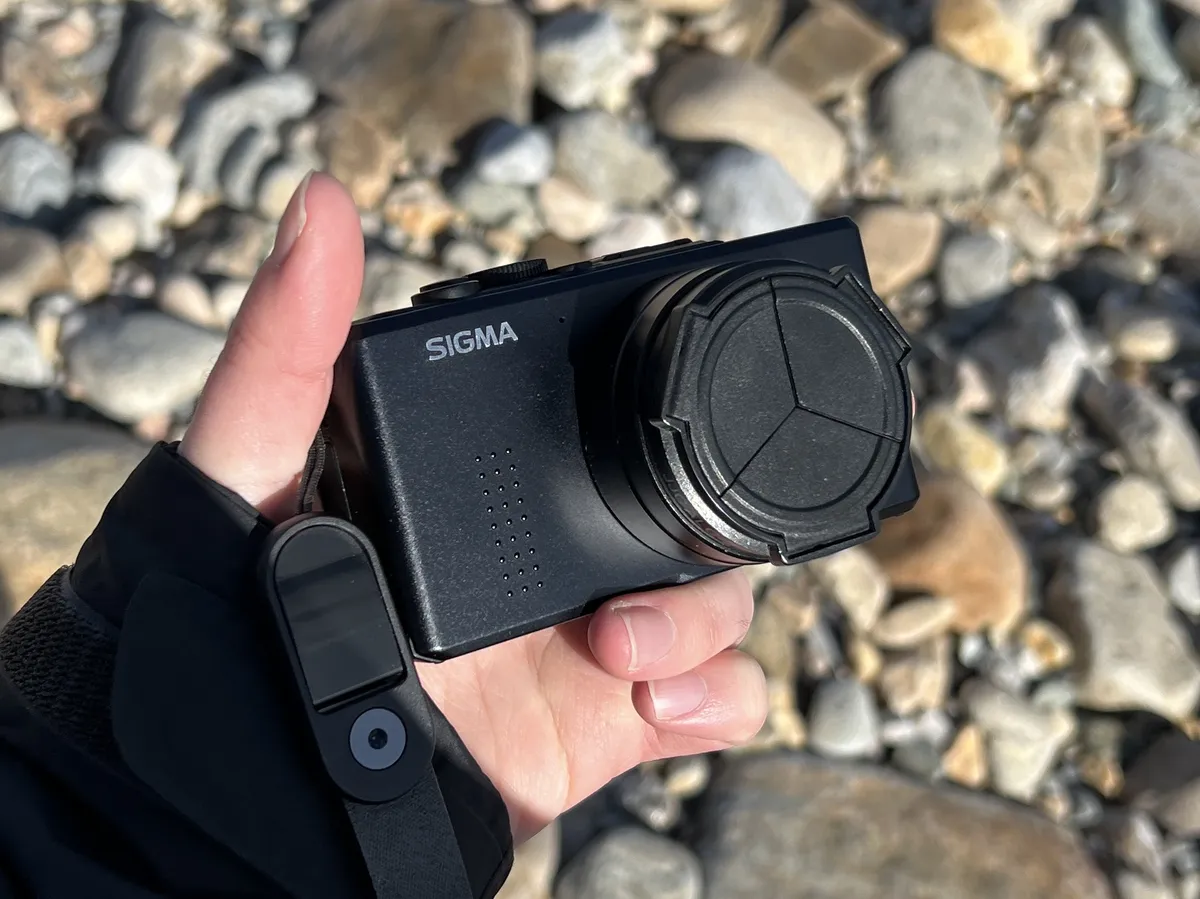
Its limitations force you to be more intentional with your shooting. Taking photos one after another is also quite slow, so make sure you frame your subject as best as you can, especially if it is a moving one. Just like any new equipment, the DP2 requires a bit of getting used to. So even though the cons that I mentioned earlier persist, you get better at maneuvering around them with time.
The best part about this camera is by far seeing what it’s produced after a long day of shooting. Plug the SD card into your computer and see the magic come to life.
I took this camera out for the first time during a solo trip to Montauk in November, so most of my photos were outdoors with good sunlight, although I did take some night shots that also turned out pretty well. The color and sharpness of the images were just incredible, and unlike any camera I had shot with. The highlights have this soft, warm, cream quality, while the shadows tend to have an emerald tint. It’s definitely not a ‘neutral’ color profile, but it’s just so expressive and rich. I highly recommend shooting in RAW format only, as the JPEGs have a more ‘washed off’ look, almost like an old Polaroid. They’re certainly charming for casual photos, but lack the depth seen in the RAW files.
I like the colors that come straight out of the camera so much that all the touching up I did on Lightroom had to do exclusively with exposure and contrast. It’s easier for me to show you some photos that I took on my Montauk trip and let you judge them by yourself:



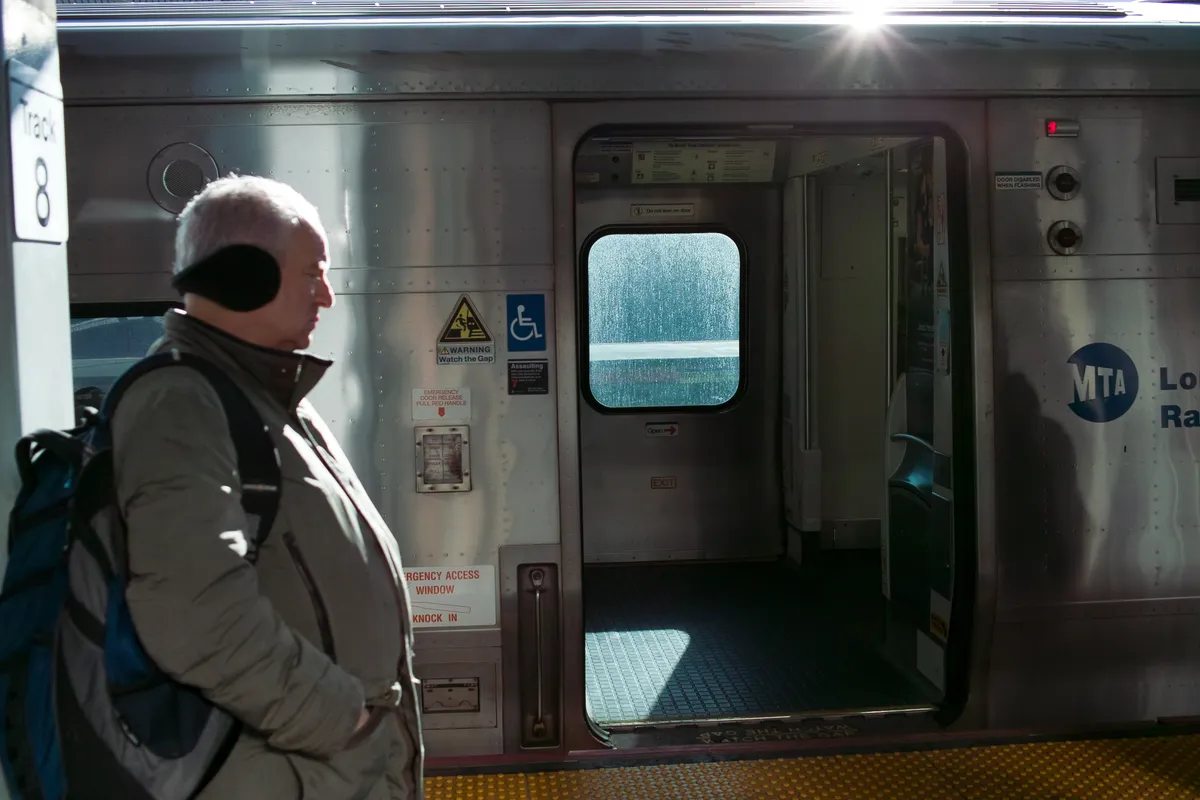

Good cameras tend to be known for their loyalty to the subject. In other words, the closer a photograph looks to what the human behind the camera was seeing at the exact moment they pressed the shutter button, the better. The DP2 not only captures what you see, but what you feel. It’s almost like it’s got feelings too. It looks at you with big shiny eyes and says “sorry for not being the best camera ever, but look what I did,” to which you respond “it’s ok, I like you despite all your imperfections.”
If you’ve read my post on the Casio F-91W watch, it’ll be no surprise that I am emotionally attached to objects that I own, so take my interpretation of the DP2 with a grain of salt. I do want to finish off this review, though, by talking about reason “d” as to why I got this camera: Robust and simple design. The DP2 feels very sturdy in the hands, it’s pretty blocky and quite silly-looking, like it came out of a Lego set. The body is made of a high-quality metal alloy that has an almost unnoticeable indigo sheen. All the buttons are super clicky, and the pop-up flash jumps up with considerable energy. It’s such a nicely made camera; it doesn’t try to offer everything it possibly can, but rather focuses on what matters when it comes to creating beautiful photographs. If I could sum up this camera with one word, it would be “sincere.”